
Level 2 EV Charger: What Homeowners Should Know
A Level 2 EV charger lets you charge your electric vehicle at home in 4–10 hours. We explain how they work, what installation requires, and whether one is right for you.
Published 8/31/2026 · 4 min read
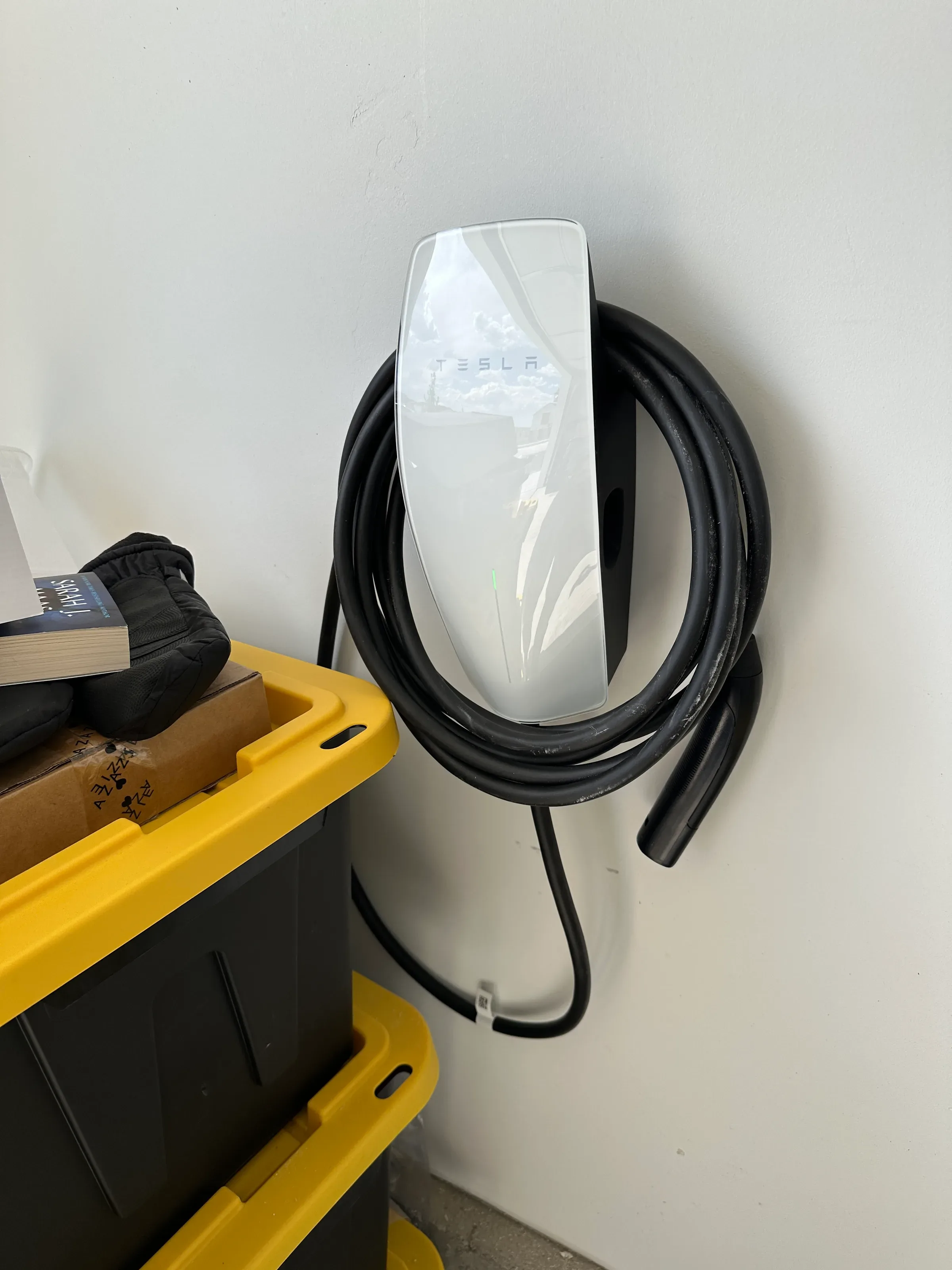
A Level 2 EV charger lets you charge your electric vehicle at home overnight or during the day, adding 25–30 miles of range per hour. If you own an EV in Utah, installing a Level 2 charger at home is one of the best upgrades you can make—it saves you trips to public charging stations, saves money on charging costs, and gives you the convenience of waking up to a fully charged vehicle.
This guide walks you through what a Level 2 charger is, how it works, what installation requires, and whether it's the right choice for your home.
What Is a Level 2 EV Charger?
A Level 2 charger is an at-home or public charging station that delivers 240 volts of power—the same voltage as your electric range or clothes dryer. It's significantly faster than a Level 1 charger (which uses a standard 120V outlet) and much slower than a DC fast charger you'd find at highway rest stops.
Most residential Level 2 chargers deliver between 7 and 19 kilowatts (kW) of power. A typical installation uses 240V at 30, 40, or 50 amps, with 40 amps being the most common for homeowners.
Level 2 vs. Other Charging Options
Level 1: Standard 120V Outlet
Level 1 charging uses any standard household outlet and comes with every EV. It delivers about 1.4 to 1.9 kW and adds only 2–5 miles of range per hour. It's fine for occasional trips, but inadequate if you drive daily and need a full charge overnight.
Level 2: 240V Home or Public Charger
Level 2 delivers 7–19 kW and adds 25–30 miles of range per hour. A typical EV battery (50–75 kWh) charges fully in 4–10 hours. This is the sweet spot for home charging because it's fast enough for overnight charging and doesn't require expensive electrical upgrades in most homes.
DC Fast Charging: Public Infrastructure
DC fast chargers deliver 50–350 kW and can add 200 miles of range in 20–30 minutes. They're expensive to install and require dedicated power infrastructure. You'll find them at commercial charging networks, not in homes.
Installation Requirements
Installing a Level 2 charger requires a licensed electrician, an electrical permit, and an inspection. Utah's electrical code follows the National Electrical Code (NEC), which governs charger installation for safety and reliability.
Electrical Panel Assessment
Your electrician will evaluate your home's main electrical panel to confirm you have enough capacity. A typical Level 2 charger needs a dedicated 40-amp circuit, which requires 40 amps of available space in your panel. If your panel is maxed out or you have an older 100-amp service, you may need a panel upgrade.
New 240V Circuit
If you have panel space available, the electrician runs a new 240V circuit from the panel to your charger location. The circuit needs proper gauge wire (typically 8 or 6 gauge for a 40-amp circuit) and a double-pole breaker.
Charger Location and Distance
Most homeowners install the charger on the garage wall or exterior wall near where they park. The closer the charger is to your panel, the lower the installation cost. Long runs of wire (50+ feet) require heavier gauge wire, which increases material and labor costs.
Permit and Inspection
Utah requires an electrical permit for EV charger installation. Your electrician obtains the permit, and the city or county inspector verifies the work meets NEC code before you can use the charger.
Real project example
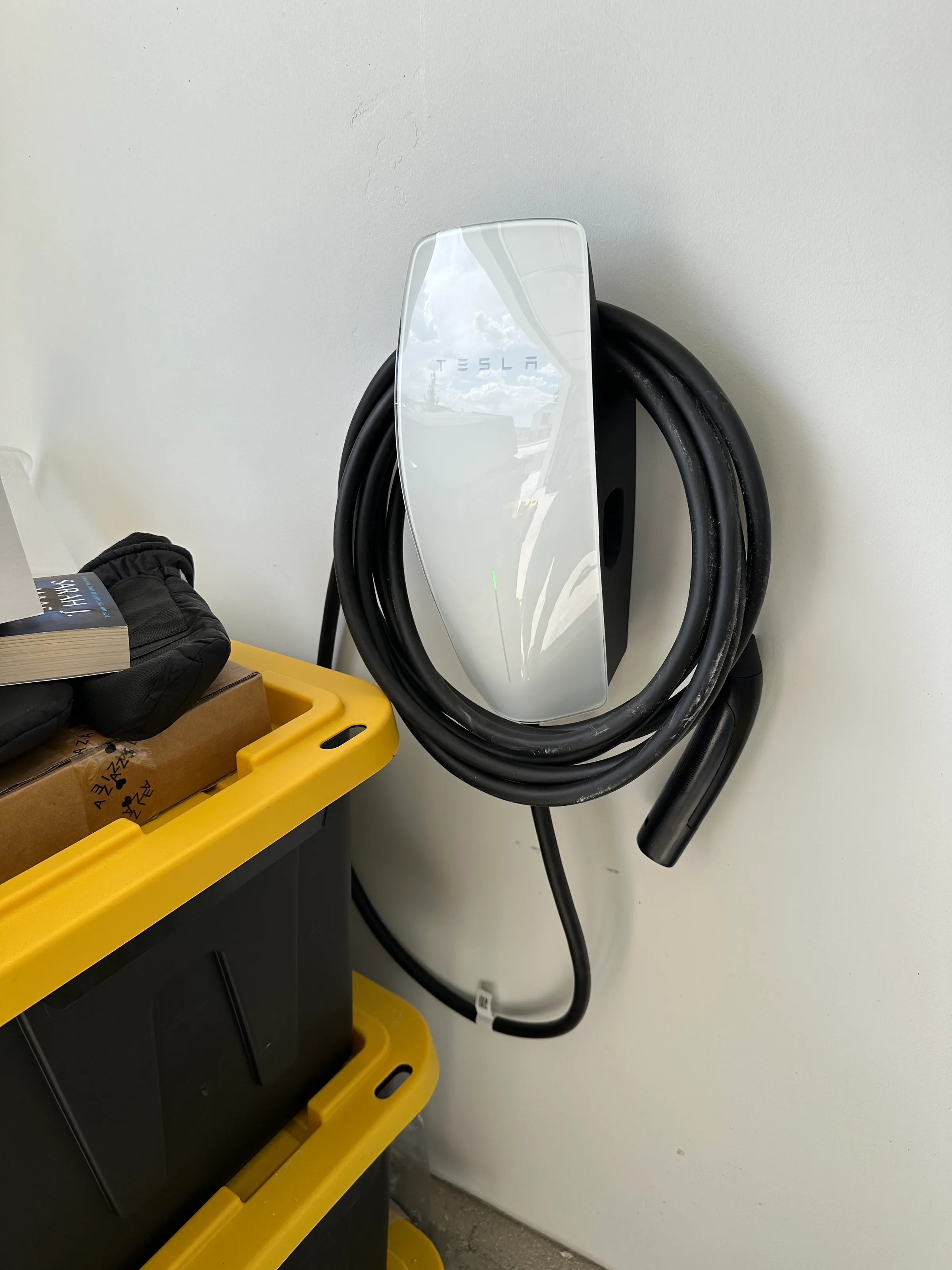
Benefits of Installing a Level 2 Charger at Home
Convenience and Time Savings
You charge at home overnight while you sleep. No more trips to public charging stations unless you're on a long road trip. Your vehicle is ready to drive each morning.
Lower Charging Costs
Charging at home during off-peak hours is cheaper than using public chargers. If your utility offers time-of-use rates, you save even more by charging late at night.
Battery Longevity
Slow, steady charging at home is gentler on your EV's battery than rapid DC fast charging. More home charging means a longer battery lifespan.
Home Value
A Level 2 charger installation increases home appeal to EV-owning buyers and can add value to your property, especially in Utah where EV adoption is growing.
Choosing the Right Level 2 Charger
When selecting a charger, consider amperage, connector type, smart features, and whether you want portable or hardwired installation.
Amperage
Most residential chargers come in 30-amp, 40-amp, or 50-amp versions. A 40-amp charger is the standard choice—it's fast enough for overnight charging and doesn't require oversize wiring in most homes.
Connector Type
Most EVs sold in the US use the SAE J1772 connector standard. Some Tesla owners may want a Tesla-specific charger for faster charging, though Tesla chargers can be adapted for other vehicles.
Smart Features
Many chargers offer WiFi or app control so you can monitor charging, set schedules, or start charging remotely. Smart chargers work well if your utility offers time-of-use rates.
Hardwired vs. Portable
Hardwired chargers are permanently mounted and are the standard for home installation. Portable chargers plug into a wall outlet but are less convenient and typically slower.
Is a Level 2 Charger Right for You?
A Level 2 charger makes sense if you own an EV or plug-in hybrid, drive daily, and want the convenience of home charging. If you rarely drive or only take occasional long trips, Level 1 charging or public chargers may be sufficient.
Utah's growing EV infrastructure and tax incentives (both federal and state) make this a good time to install. You may qualify for a federal tax credit of up to $500 for residential charger installation (income limits apply).
Next Steps
If you're ready to install a Level 2 EV charger, call Utah Home Electric for a free home evaluation. We'll assess your panel capacity, recommend the right charger for your vehicle, and give you an accurate quote. Installation usually takes one to two days, and you'll be charging at home within days of the inspection.