
What Is a GFCI Outlet & Where You Need Them
A GFCI outlet detects dangerous electrical imbalances and cuts power in milliseconds to prevent shock. They're required by code near water in kitchens, bathrooms, garages, and outdoors.
Published 8/18/2026 · 4 min read
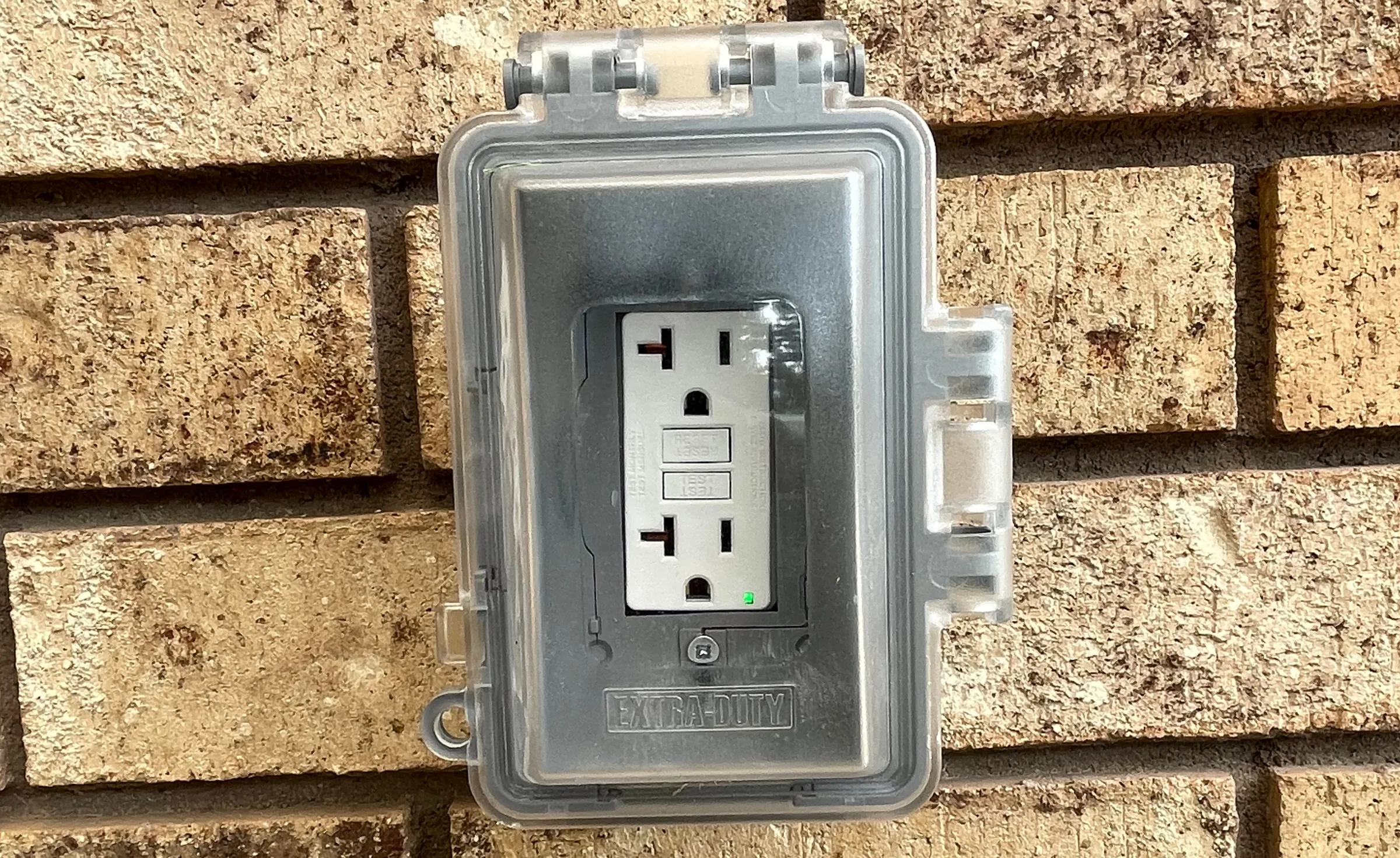
A GFCI outlet is a specialized electrical outlet that detects electrical ground faults—accidental paths where electricity escapes to the ground—and shuts off power in about 25 milliseconds to prevent electrocution. If you touch a wet appliance or drop a hair dryer into water, the GFCI senses the fault and cuts the circuit before dangerous current reaches your body. The National Electrical Code requires GFCI protection in any location where water and electricity might meet, which is why you'll find them in kitchens, bathrooms, garages, and outdoors throughout your home.
How a GFCI Outlet Works
A GFCI outlet constantly compares the current flowing out through the hot wire to the current returning through the neutral wire. Under normal operation, these currents are equal. When electricity takes an unintended path—such as through your body to the ground—a slight imbalance develops.
The GFCI's internal sensor detects that imbalance and triggers an internal solenoid or electronic switch. This happens so quickly that only a tiny amount of current (typically 4 to 6 milliamps) reaches your body before the circuit breaks. That level of current causes no injury, whereas a standard circuit breaker won't trip until 15 or 20 amps flow—enough to cause cardiac arrest.
You'll recognize a GFCI outlet by its distinctive face: it has a smaller outlet receptacle and two buttons labeled 'Test' and 'Reset' above or below the slots. The Test button deliberately creates a ground fault so you can verify the outlet is working. The Reset button restores power after a trip.
Where the NEC Requires GFCI Protection
The National Electrical Code (which Utah residential electricians follow) mandates GFCI protection in specific areas. Understanding these locations helps you stay compliant and safe.
Kitchen Countertops
Every outlet on kitchen countertops must have GFCI protection. Sinks, coffee makers, toasters, and blenders create a high-risk environment where appliances contact water. This requirement applies to outlets within 6 feet of the sink edge.
Bathrooms
All outlets in bathrooms must be GFCI-protected. Hair dryers, electric razors, heated towel racks, and showers create constant moisture. Even outlets on walls away from the tub or sink require protection because of the bathroom's wet environment.
Garages and Workshop Areas
All readily accessible outlets in garages must have GFCI protection, even if they seem dry. Garages often see moisture from vehicles, melting snow, and humidity changes in Utah's climate. Workshop outlets where power tools operate near water sources are especially critical.
Outdoor Outlets
Every outdoor outlet must be GFCI-protected. Patios, decks, yards, and porches expose outlets to rain, sprinklers, and wet hands. This is especially important in Utah during spring runoff and summer storms.
Unfinished Basements and Crawl Spaces
Unfinished basements and crawl spaces naturally collect moisture, condensation, and occasional standing water. Any outlet in these areas needs GFCI protection, even if you rarely use them.
Other Areas Within 6 Feet of Water
Outlets within 6 feet of sinks, tubs, showers, pools, hot tubs, and other water sources must have GFCI protection. This includes laundry rooms, wet bars, and any location where water and electricity can mix.
GFCI Outlet vs. GFCI Circuit Breaker
You can meet the code requirement for GFCI protection in two ways: install a GFCI outlet at each location, or install a GFCI circuit breaker in your electrical panel that protects the entire circuit.
A GFCI outlet costs less upfront and is easier to test—you press the Test button right at the outlet. A GFCI breaker protects all outlets downstream and doesn't take up outlet space, but you must go to the panel to test it. Many electricians prefer GFCI outlets in kitchens and bathrooms so homeowners can reset them without entering the garage, and GFCI breakers for garages and outdoor circuits.
Why GFCI Protection Matters
Ground faults are the leading cause of electrical shock in homes. A standard circuit breaker or fuse won't protect you because it's designed to prevent fires from overcurrent, not to sense ground faults. A 15-amp breaker permits up to 15 amps of current, far more than needed to stop your heart.
GFCI outlets react to currents as low as 4 to 6 milliamps—about one-thousandth of what a standard breaker permits. That speed and sensitivity have prevented thousands of electrocutions since their introduction in the 1960s. In Utah, where outdoor and bathroom use is common, GFCI protection is essential.
Testing and Maintaining Your GFCI Outlets
You should test each GFCI outlet monthly. Press the Test button—the outlet should cut power immediately and the Reset button should pop out slightly. Press Reset to restore power. If the outlet doesn't trip, it may have failed and needs replacement.
GFCI outlets typically last 10 to 15 years, though the exact lifespan depends on how often they trip and the moisture level in your home. If your outlets trip frequently without any apparent fault, they may be wearing out. A licensed electrician can determine whether they need replacement or if a deeper wiring issue exists.
Real project example
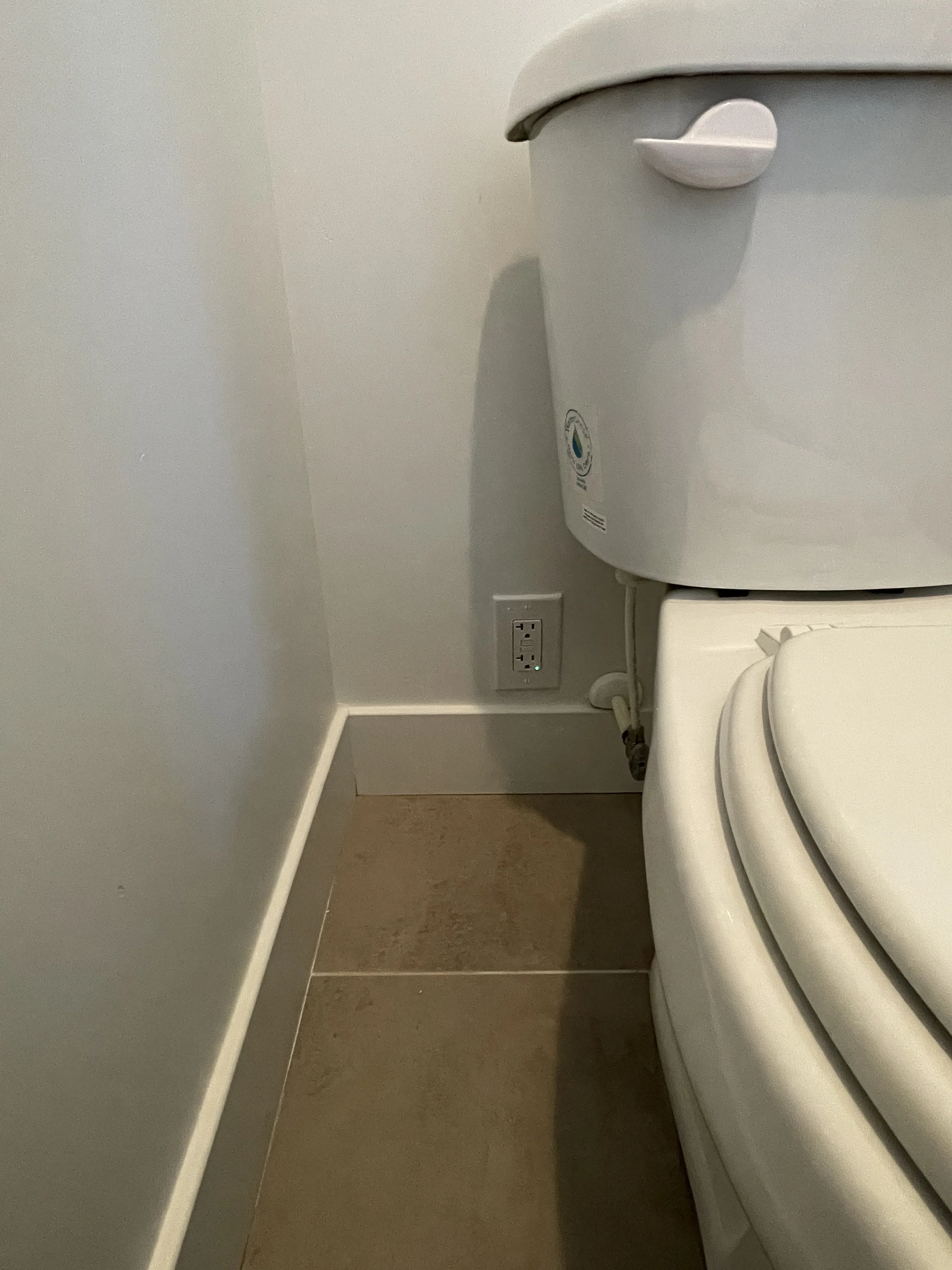
Getting GFCI Outlets Installed in Your Utah Home
If you're building a new home, upgrading an older one, or adding a bathroom or kitchen, you need to ensure GFCI protection is in place. A licensed Utah electrician can identify which outlets require GFCI protection, recommend whether you want outlets or breakers, and install them to code.
Utah Home Electric has installed GFCI outlets in kitchens, bathrooms, garages, and outdoor spaces throughout Utah. We test each outlet before we leave and walk you through the Test and Reset buttons so you can maintain them yourself. If you're unsure whether your existing outlets have GFCI protection or need an inspection, we're ready to help. Request a quote from Utah Home Electric today and make sure your home is protected.