
EV Charger Installation Cost in Utah
EV charger installation in Utah typically runs $500–$2,500 for a Level 2 home charger. The final cost depends on electrical panel capacity, circuit distance, and permits.
Published 9/20/2026 · 4 min read
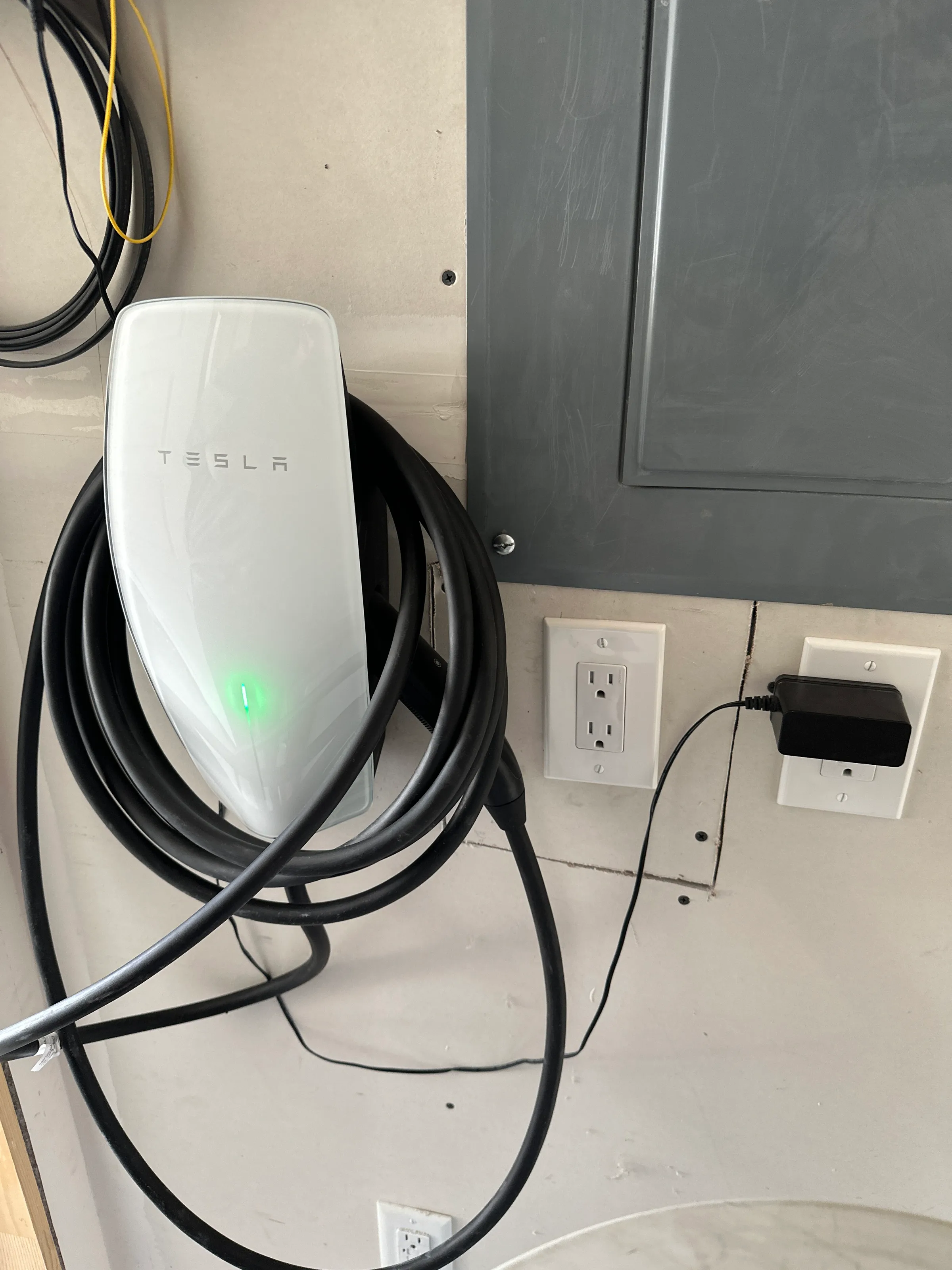
EV charger installation in Utah typically costs between $500 and $2,500 for a Level 2 home charger—the most practical option for overnight charging. The final price depends on how far your charger is from your electrical panel, whether you need panel upgrades, local permit fees, and the specific charger model you choose. This guide walks you through what drives those costs so you can plan your budget accurately.
Typical EV Charger Installation Costs in Utah
A Level 2 home EV charger installation typically runs $500–$2,500 in Utah. This is the standard range for a straightforward job where your home has available electrical panel capacity and the charger location is reasonably close to the panel.
Level 1 chargers (standard 120V household outlets) cost almost nothing to install but charge very slowly—typically adding only 3–5 miles of range per hour. Most EV owners with a garage or dedicated parking spot opt for Level 2.
DC fast chargers are commercial-grade installations that cost $5,000–$15,000 or more and are rarely practical for residential use in Utah.
What Affects Your Final Installation Cost
Distance from Electrical Panel
The distance between your electrical panel and the charger location drives much of the labor cost. A charger mounted on the garage wall 15 feet from the panel is quick work. A charger 50+ feet away or on the opposite side of your home requires significantly more wire, conduit, and labor.
Panel Capacity and Upgrades
Level 2 chargers require a dedicated 40–60 amp circuit (depending on charger model). If your main panel has open breaker slots, your electrician adds a new breaker and runs wire—no upgrade needed. If your panel is full or near capacity, adding a charger requires a panel upgrade, which typically adds $1,500–$3,000 to the total cost.
Older homes with 100-amp service are more likely to need a panel upgrade than homes with 200-amp service.
Location and Installation Method
Garage walls are easy—surface-mounted conduit and a standard outlet box. Installing a charger on an external wall, underground to a detached structure, or in difficult terrain (conduit through concrete or masonry) increases labor time and cost.
Permits and Local Fees
Utah municipalities require electrical permits for EV charger installations. Most permit fees run $50–$200, depending on your city or county. Your electrician typically includes this in the quote and handles the permitting process.
Charger Model and Features
The charger hardware itself (a 32–50 amp unit) ranges from $300–$800. Smart chargers with WiFi, load management, or scheduling cost more than basic models, but these prices are separate from the electrician's labor.
Breaking Down Labor and Materials
Your installation quote typically includes labor, wire, conduit, breaker, outlet box, and permits. Material cost is usually 20–30 percent of the total; labor is 70–80 percent.
Wire and conduit: $100–$300 (depends on distance and type)
Breaker and outlet: $50–$100
Labor: $300–$1,500+ (varies by complexity and distance)
Permits and inspection: $50–$200
Utah-Specific Considerations
Utah's electrical code follows the National Electrical Code (NEC) with some local amendments. Most Utah cities and counties (Salt Lake City, Davis County, Utah County, Weber County) require permits and inspections for EV charger work. The Utah Division of Occupational and Professional Licensing (DOPL) requires licensed electricians for permanent installations.
Utah summers are hot, and conduit installation on south-facing walls or roofs may require additional time and care. Winter installations in northern Utah may face snow, ice, or frozen ground, which can affect cost and timeline.
Ways to Reduce Your Installation Cost
Install the charger close to your panel. Ask your electrician whether moving it a few feet would reduce labor.
Plan the job before you buy the charger. Your electrician can confirm your panel has capacity and give you an accurate estimate.
Choose a basic Level 2 charger unless you need smart features. Save the extra cost for features you'll actually use.
Ask about tax credits. Federal and some state incentives may help offset the cost (though electrician labor is typically not eligible).
What to Expect During Installation
A straightforward Level 2 installation typically takes 4–8 hours. Your electrician turns off power to the relevant circuit, runs wire and conduit from the panel to the charger location, installs the outlet box and breaker, mounts the charger, and tests everything before turning power back on.
After installation, your electrician obtains a final inspection from your local authority having jurisdiction (AHJ). Once you pass inspection, the installation is complete and your charger is ready to use.
Get an Accurate Quote
Your actual cost depends on your home's electrical setup, the distance from panel to charger, and local permitting. Request an estimate from a licensed Utah electrician. Let them know your home's age, main panel amperage, and where you plan to install the charger so they can give you a detailed quote.
Utah Home Electric handles EV charger installations throughout the state. Contact us to discuss your home's electrical capacity and get a transparent, itemized estimate.