
How to Fix Flickering Lights in Your Home
Flickering lights can be annoying and sometimes signal a serious electrical problem. Learn the most common causes and how to fix them safely.
Published 7/31/2026 · 5 min read
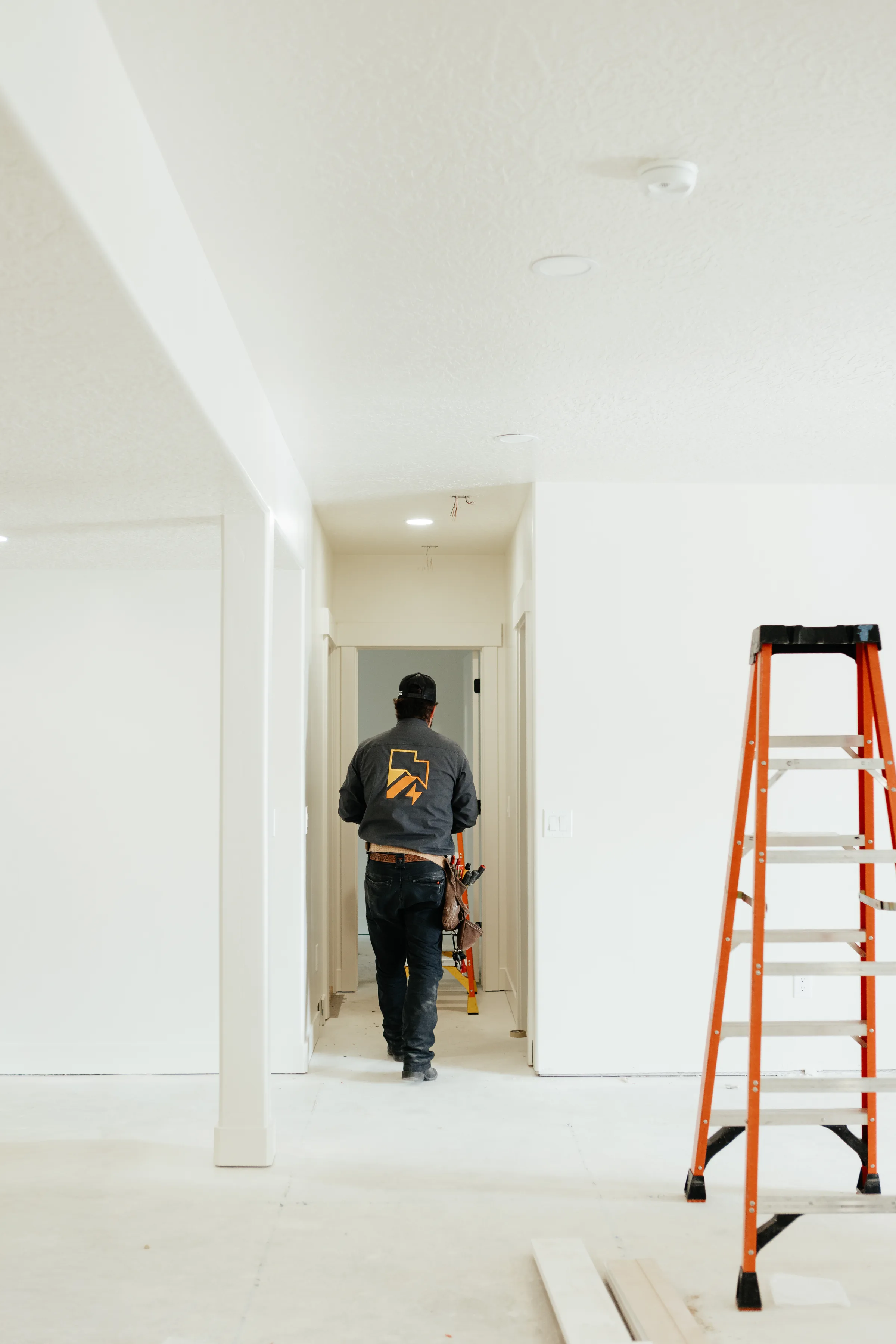
Flickering lights are annoying, and they can sometimes signal a real electrical problem in your home. The good news is that the cause is often simple—and fixable. You might have a loose bulb, an overloaded circuit, a faulty switch, or a wiring issue that needs a licensed electrician. This guide walks you through the most common causes and how to troubleshoot them safely.
Start with the simplest fixes
Before you call an electrician, check the basics. A loose light bulb is the most common cause of flickering. Turn off the light, wait a moment for the bulb to cool, then screw it in firmly. Make sure it's the right type and wattage for your fixture—check the fixture's label or your bulb packaging.
If the bulb is tight and the right type, try replacing it with a fresh bulb. Old or defective bulbs flicker before they fail completely. LED and CFL bulbs sometimes flicker in fixtures with certain dimmer switches because of compatibility issues. If you're using a dimmer, try a dimmable LED bulb or switch back to an incandescent bulb to test.
Also check the light fixture itself. Gently wiggle the fixture (after turning it off) to see if any connections have loosened over time. If you see cracks in the fixture, corrosion, or water damage, the fixture needs replacement.
Overloaded circuits cause flickering when you use appliances
You turn on your microwave and the kitchen lights flicker. Or your heater runs and lights throughout your home dim and brighten. This is a sign that your circuit is overloaded. High-power appliances like space heaters, air conditioners, electric ranges, and microwaves draw large amounts of current. When they run on the same circuit as your lighting, the voltage dips temporarily, causing visible flickering.
The National Electrical Code (NEC) requires major appliances to have dedicated circuits. If your home is older or smaller, you might not have enough circuits to give every appliance its own line. A licensed electrician can assess your electrical panel and add dedicated circuits for your high-draw equipment.
In the meantime, avoid running large appliances at the same time. If you must use multiple appliances, stagger their use. This is a quick temporary workaround, but it's not a permanent solution.
Check your light switches and dimmers
A faulty switch can cause intermittent flickering even when the dimmer is at full brightness. If you hear a buzzing or crackling sound from the switch, or if the switch feels warm to the touch, turn it off and call an electrician. A damaged switch is a fire hazard and must be replaced.
Dimmer switches are another common culprit. Not all bulb types are compatible with all dimmers. LED bulbs in particular may flicker with older dimmer switches. Look for a dimmer that's rated for LED bulbs, or replace the bulb with one designed for your dimmer. If you're unsure, a licensed electrician can recommend the right combination for your home.
Loose connections and damaged wiring need a professional
If flickering happens throughout your house or in multiple rooms at once, the problem is likely upstream—at your electrical panel, service entrance, or utility connection. Loose connections in your panel can cause voltage fluctuations that affect every light in your home. This is not a DIY fix. A licensed electrician must inspect your panel and tighten any loose connections.
In some cases, the utility company's connection to your home is loose. Contact your utility company to report widespread flickering. They can check the service entrance connection at no cost and fix it if needed.
Damaged wiring inside a wall can also cause localized flickering. If you notice flickering in just one light or outlet, and simple fixes don't work, the wiring or fixture may be damaged. A licensed electrician can trace the circuit and identify the problem.
When flickering is a warning sign
Some types of flickering signal a serious electrical hazard. Stop using the fixture or outlet immediately if you notice any of these warning signs:
Buzzing or crackling sounds from the fixture, switch, or outlet
Visible scorch marks, burn marks, or discoloration around an outlet or fixture
A burning or acrid smell near the flickering light or outlet
Warmth or heat coming from a light fixture, switch, or outlet
Flickering that affects your whole home and doesn't stop
These are signs of arcing, loose connections, or overheated wiring. Turn off the circuit at your breaker panel and call a licensed electrician immediately. Do not try to fix these problems yourself.
Real project example
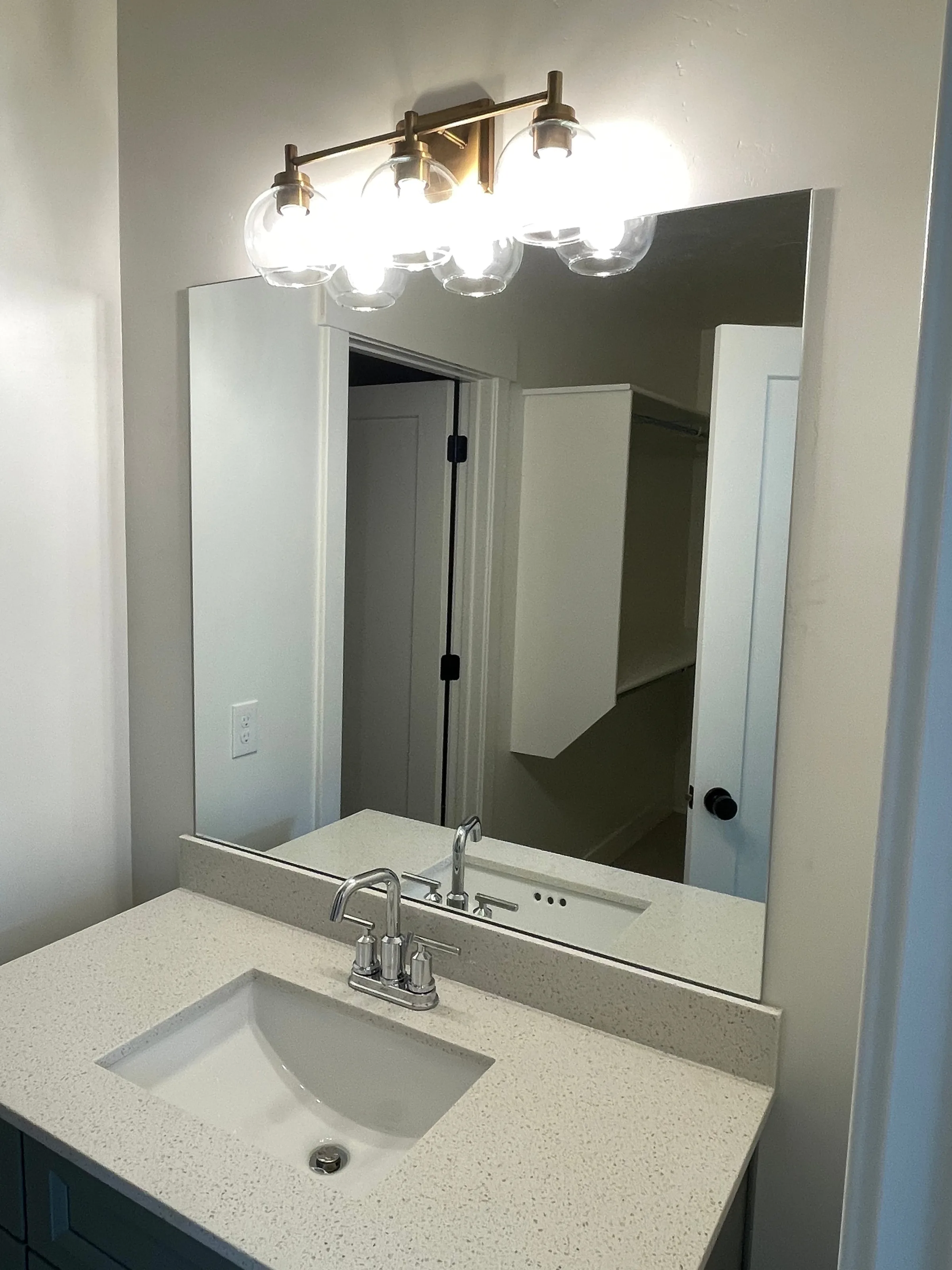
When new appliances or fixtures need new circuits, our team makes sure they're installed safely and up to code. Here's a recent job in Lehi:
When to call a licensed electrician
Call a licensed electrician if:
Simple bulb and switch checks don't fix the problem
Flickering happens throughout your home
You have large appliances that consistently cause voltage drops
You notice buzzing, burning smells, scorch marks, or warmth near a fixture or outlet
Your breaker trips repeatedly
A licensed electrician in Utah will diagnose the problem safely and fix it to code. They have the tools to test circuits, check for loose connections, and recommend upgrades if your electrical system is overloaded.
Prevent future flickering
A few habits help avoid flickering problems. Use the correct wattage and type of bulb for each fixture. Avoid plugging too many high-power devices into one outlet or power strip. Have your electrical panel inspected every 5–10 years to catch loose connections before they cause problems. And if you're adding new appliances, ask a licensed electrician whether you need a dedicated circuit.
Get help from Utah Home Electric
Flickering lights can be annoying, or they can be a sign of a real electrical problem. If your troubleshooting doesn't solve the issue, or if you see warning signs like scorch marks or buzzing, reach out to a licensed electrician. Utah Home Electric serves the greater Salt Lake City area and can diagnose and fix your flickering lights safely. Request a quote today and get your home's lighting stable again.
Why do my lights flicker when I turn on an appliance?
This usually means your circuit is overloaded. Large appliances like space heaters, air conditioners, or microwaves draw heavy current and can cause voltage to drop temporarily on the same circuit. A licensed electrician can add a dedicated circuit for high-draw appliances.
Is flickering in just one room different from flickering throughout the house?
Yes. One room suggests a problem with that circuit or fixture. Flickering throughout your house points to a utility issue, loose service entrance connection, or a problem at your main electrical panel. Contact a licensed electrician or your utility company.
Can loose bulbs cause flickering?
Absolutely. A loose bulb or a bulb not fully seated in the socket is the simplest cause to fix. Turn off the light, let it cool, and screw the bulb in firmly. If flickering continues after tightening, the socket or fixture may need replacement.
When is flickering an emergency?
Contact a licensed electrician immediately if flickering is accompanied by buzzing sounds, a burning smell, scorch marks around outlets or fixtures, or if it affects your entire home. These are signs of a serious electrical fault.
Should I replace the bulb or the fixture first?
Start with the bulb. Use the correct wattage and type for your fixture. If flickering continues, try a different bulb type. If the problem persists, the fixture socket, switch, or wiring likely needs attention from a licensed electrician.